

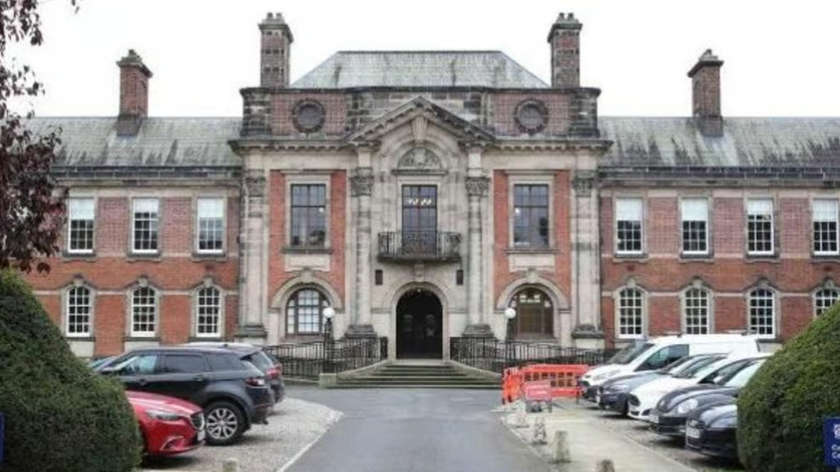
Plans to exempt terminally ill residents from paying council tax could cost North Yorkshire Council up to £2.2m a year, a new report has revealed.
Councillors are considering a proposal which would mean people diagnosed with a progressive illness and expected to have less than 12 months to live could have their council tax liability removed.
The motion was put forward by Liberal Democrat councillors Chris Aldred and Andrew Murday following a campaign by end-of-life charity Marie Curie.
It states:
“Everyone should be able to spend the final days, weeks and months of their life focusing on what really matters: making memories with their loved ones.”
The motion adds that life can become more expensive following a terminal diagnosis and argues that suspending council tax would mean people faced “one less financial burden during an already unimaginably difficult time”.
The proposal calls on the authority to introduce support as part of its 2027/28 budget, with eligibility based on a form completed by a clinician confirming a person has a progressive disease and is expected to die within 12 months.
A report going before North Yorkshire Council’s corporate and partnerships overview and scrutiny committee on September 28 estimates around 924 residents could meet the proposed criteria in any year.
If every eligible resident received a full exemption at the average Band D rate, the maximum theoretical cost would be around £2.2m annually.
However, officers stress the actual cost is likely to be different because the calculation assumes everyone eligible applies, lives in a Band D property, receives relief for an entire year and does not already receive council tax support.
North Yorkshire already allows eligible low-income households to receive up to 100 per cent Council Tax Reduction.
It also operates an Exceptional Hardship Scheme and has powers to provide discretionary reductions, meaning some terminally ill residents may already have their council tax liability removed.
However, unlike some other authorities, North Yorkshire does not currently have a specific policy explicitly providing support for people with a terminal illness.
Council officers are recommending further investigation before any new policy is introduced.
They propose gathering evidence on the number of people who could benefit, what support they already receive and the likely financial, legal and operational implications.
Any costed proposal would then be considered through the 2028/29 budget process, rather than the 2027/28 timetable proposed in the motion. Officers say there is currently insufficient evidence to reliably assess the likely demand and cost.
The scrutiny committee will make a recommendation before the issue returns to full council on November 18.
 Cyclist dies following collision on A59 near Skipton
 Annual golf day raises £4,383 for Airedale Hospital
 Eddie 'The Eagle' to attend opening of new vet practice in Skipton
 Skipton Vintage Supply set to open this weekend
 Plans for Keighley Bowling Alley approved
 Mayor brands lack of fixed speed cameras in North Yorkshire ‘shameful’
 Skipton team raises £3,300+ for The Principle Trust in Three Peaks challenge
 Manorlands runners raise £45,000 at Great North Run
 North Yorkshire buses are a ‘mess’ after years of underinvestment, says mayor
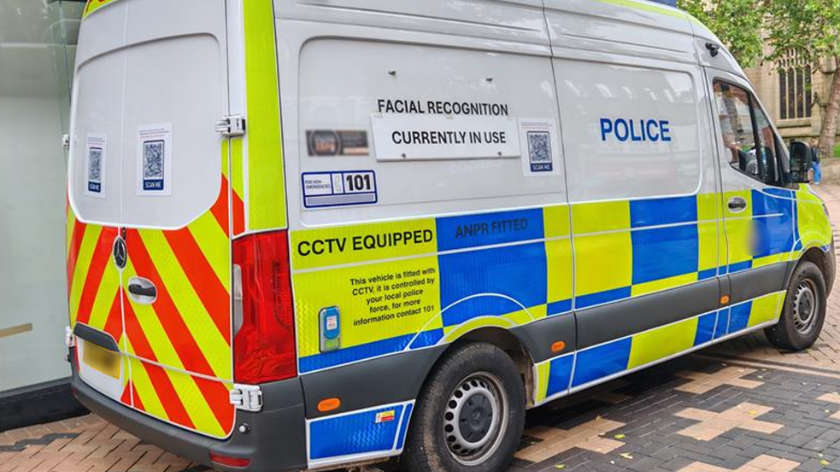 North Yorkshire Police to use live facial recognition for first time
 Free Halloween pumpkin patch and monster trail returning to Skipton
 Yarndale set to bring thousands of yarn lovers to Skipton
 Council chiefs back school transport policy despite "legacy of harm" claim
 Second home owners challenge North Yorkshire's 100% council tax premium
 Glusburn nursery to celebrate 50th anniversary with community party
 Woodland work underway to boost wildlife at Damems trail
 Miniature food jewellery workshop coming to Skipton
 Alpamare waterpark to be sold to 'protect its future' with private investment
 Estate agents conquer Yorkshire Three Peaks for children's charity