

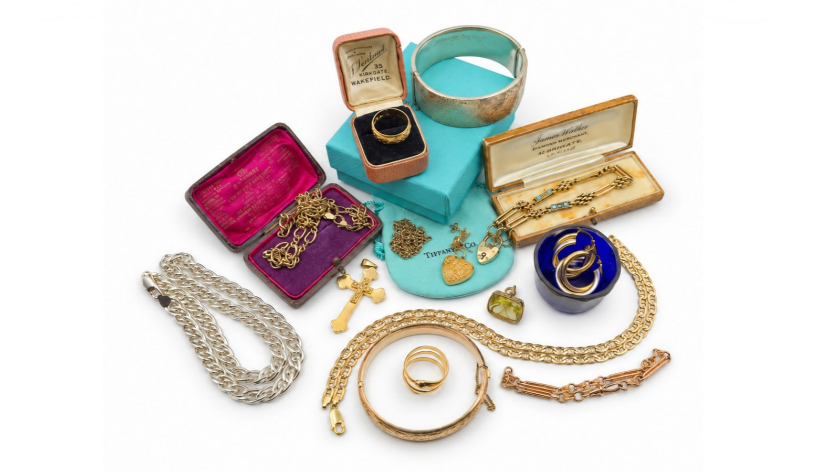
A jewellery box left behind by a parent or grandparent can be one of the hardest things to deal with after a loss.
It is part treasure, part memory, and often a bit of a mystery: a tangle of chains, a ring nobody remembers being worn, a brooch that may be gold or may be gilt.
The good news is that there is no deadline. Unless you are an executor with a probate timetable to meet, nothing about inherited jewellery needs deciding this week, or even this year.
What helps most is a simple, unhurried process. Here is the one we suggest to people who come to us in Harrogate, whether or not they ever decide to sell.
Step 1: Gather everything in one place
Before you sort anything, bring it all together: jewellery boxes, drawers, handbags, coat pockets and the back of the bedside cabinet. Pieces have a habit of turning up in odd places, and a single earring is far more useful if its pair is found.
Keep the paperwork and packaging too. Original boxes, receipts, valuation certificates, insurance schedules and even old letters can tell you where a piece came from, what it is made of and what it was worth. A box stamped with a jeweller's name can add both interest and value.
Finally, work on a clean, soft surface such as a folded towel on a table, away from sinks and plugholes. It sounds obvious, but small stones and earring backs are easily lost.
Step 2: Document what you have
A simple record now saves a lot of confusion later, especially if several family members are involved. You do not need specialist knowledge to do this well.
- Photograph each piece on a plain background in good daylight, with a close-up of any stamps or markings.
- Give each item a number and note it in a notebook or spreadsheet.
- Write a short description: what it is, its colour, any stones, and any marks you can see.
- Record the story: who wore it, where it came from, and any family wishes attached to it. These details are easily forgotten and often matter more than the value.
- Note any damage, such as broken clasps, missing stones or worn shanks on rings.
Keep a copy of this list somewhere safe and share it with anyone who has an interest in the estate. It makes conversations about who keeps what much easier.
Step 3: Understand what you have
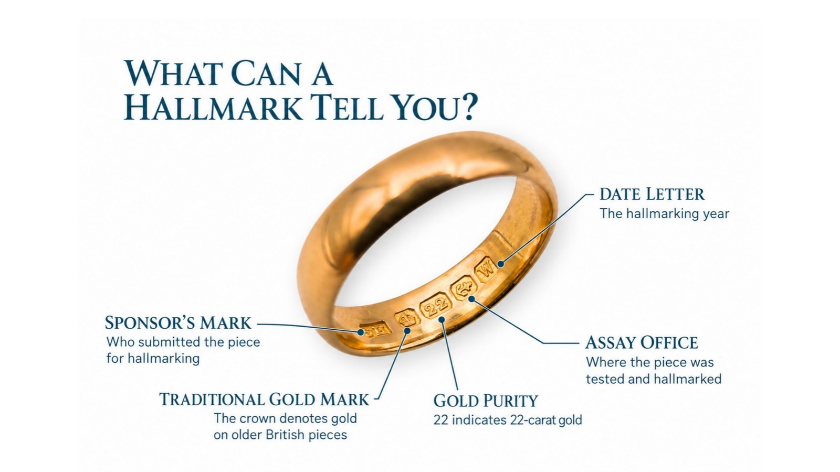
Most British gold jewellery carries a hallmark, a small group of stamps usually found inside a ring band, near a clasp or on the back of a pendant. A magnifying glass or the zoom on your phone camera helps. A full UK hallmark normally includes:
- A sponsor's mark: the initials of the maker or importer.
- A fineness mark: a number showing the purity of the gold.
- An assay office mark: a leopard's head for London, an anchor for Birmingham, a rose for Sheffield or a castle for Edinburgh.
- A date letter (optional on modern pieces): useful for dating older items.
The fineness number tells you the carat:
|
Mark |
Carat |
Gold content |
|
375 |
9ct |
37.5% |
|
585 |
14ct |
58.5% |
|
750 |
18ct |
75% |
|
916 |
22ct |
91.6% |
|
999 |
24ct |
99.9% |
Pieces made abroad may simply be stamped "18K" or "750". Marks such as GF, RGP, rolled gold or plated mean the item has only a thin layer of gold over another metal. Very light items and some antique pieces may have no hallmark at all, which does not mean they are not gold; they just need testing.
Stones are harder to judge by eye. Glass and synthetic stones were common in costume jewellery, and some genuine gems look unremarkable when dirty. Avoid assuming either way until someone qualified has looked.
Mistakes to avoid
Most of the costly mistakes we see come from good intentions and a little too much haste.
- Over-cleaning. Silver dip, toothpaste, bleach and ultrasonic cleaners can damage pearls, opals, emeralds, coral and anything glued. Polishing antique pieces can also remove the patina that collectors value. If in doubt, a soft brush and warm soapy water is as far as you should go.
- Splitting sets. Earrings, matching brooches and parures (complete jewellery sets) are worth more together. Keep them together until you have decided what to do.
- Assuming it is all scrap. Some pieces are worth far more as jewellery than for their gold weight, because of the maker, the era or the stones. A buyer should be able to tell you whether something is being valued as scrap or as a piece.
- Assuming it is all valuable. Equally, a large, heavy-looking piece may be gold-plated. Get it tested before you plan around it.
- Accepting the first offer. Buying prices vary. It is perfectly reasonable to get a written quote, take time to think and compare with another buyer.
- Confusing insurance and selling values. An insurance valuation reflects the cost of replacing a piece new, which is usually much higher than what a buyer will pay. It is not a guide to what you will receive.
- Passing pieces on without a record. Giving items to family before an estate is settled can cause friction or complications. Agree it with the executor and note who received what.
Deciding what to do next
Once you know what you have, the choices usually fall into four groups, and most families end up using more than one.
- Keep and wear. A broken chain or a worn ring can often be repaired or resized by a local jeweller, giving it a second life.
- Share among family. Your list and photos make it easier to agree who would like what, even if relatives live far from Harrogate.
- Remake. Old gold and stones can be redesigned into something new, such as several rings made from one inherited piece, so each person keeps a part of it.
- Sell. Broken, single or unloved items often do more good as money than sitting in a drawer. If you decide to sell your gold jewellery in Harrogate, choose a buyer who tests and weighs in front of you, explains how the price is calculated and gives you time to decide.
If you are an executor, check whether the jewellery needs valuing as part of the estate before anything is sold or given away.
A solicitor or the GOV.UK probate guidance can tell you what applies in your situation.
And if you are not ready to decide, that is a decision too. Store pieces separately in soft pouches, keep your list up to date and come back to it when it feels right.
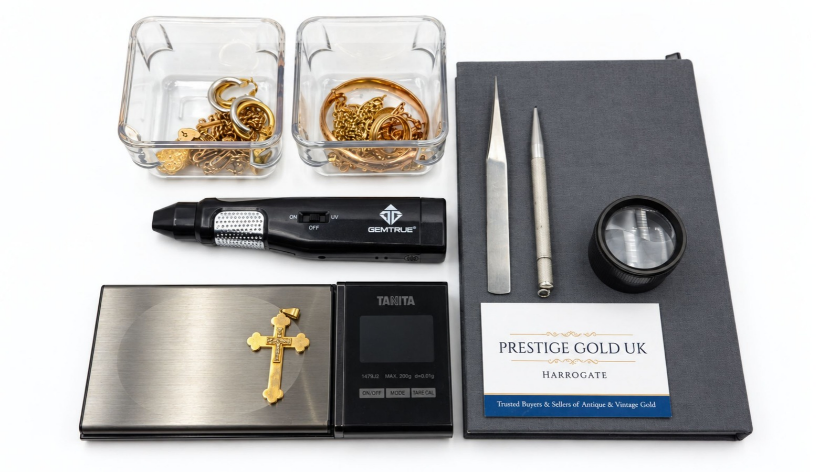
Take your time
Inherited jewellery carries more than metal and stones. Sorting it slowly and carefully is a way of honouring the person who wore it, and it means that whatever you choose, you will choose it knowing what you have.
If you would like a second opinion on a piece, we are always happy to look, explain what we see and leave the decision with you. There is never any obligation to sell.
About the author
Simon is a Director at Prestige Gold UK, based in Harrogate.
Prestige Gold UK helps local people sell their gold jewellery in Harrogate with free, no-obligation valuations carried out in person.
Call 01423 423 492 or visit https://prestigegold.uk/sell to arrange a visit.
 Skipton MP calls for National Insurance cut to support hospitality jobs
 Keighley swimming pool to close for essential maintenance
 Skipton pub named finalist in Deliciously Yorkshire Taste Awards
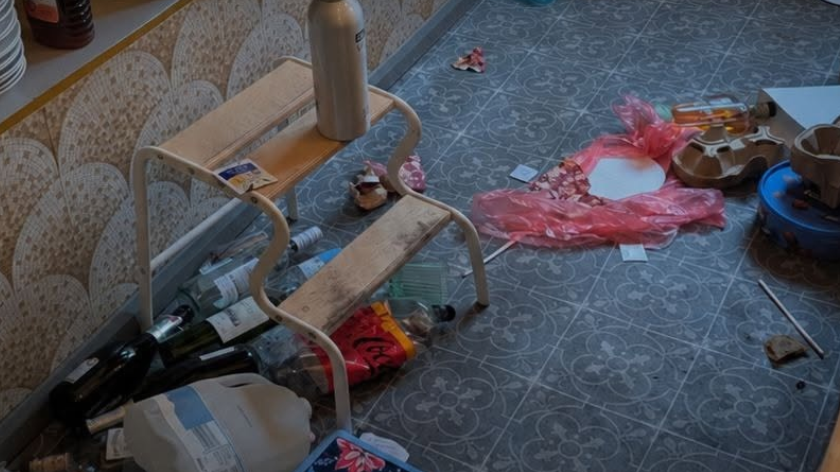 Keighley café left devastated following break-in
 Yorkshire residents invited to apply for BBC's The Traitors
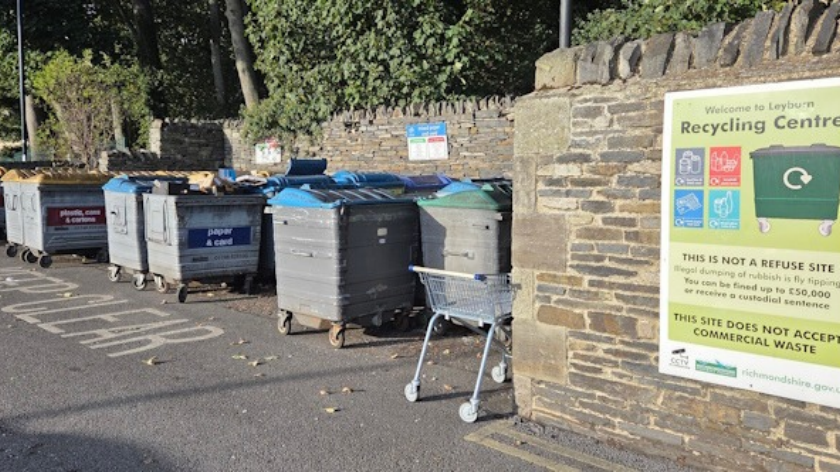 North Yorkshire recycling centres could face closure
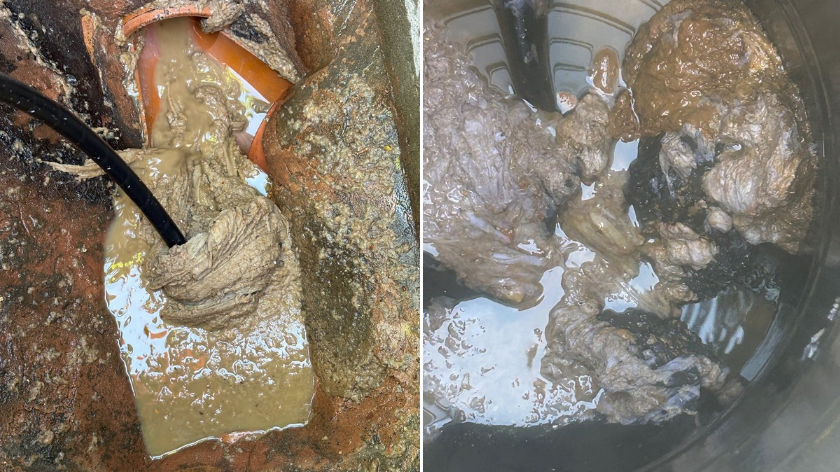 Yorkshire Water issues reminder ahead of plastic wet wipe ban
 Police appeal for witnesses following alleged assault in Skipton
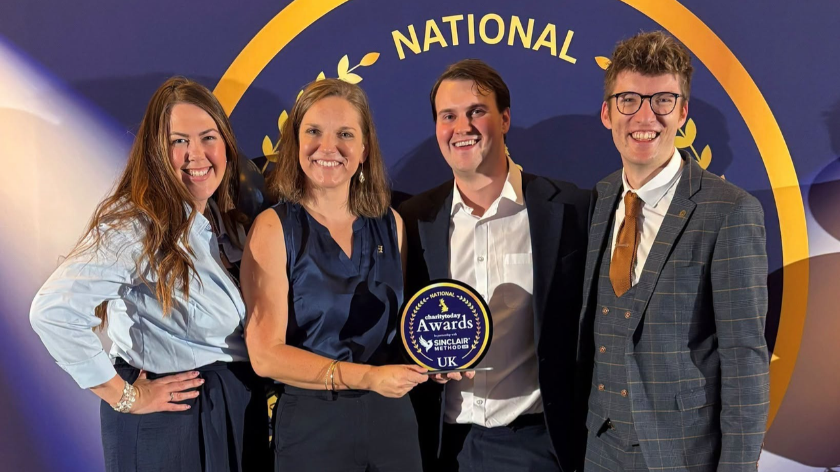 Martin House named Hospice of the Year at national awards
 Linton asylum centre could cost taxpayers £270m, campaigners tell Treasury
 Craven’s combined emergency service officers could be rolled out across county
 Skipton man takes on 100-mile challenge following brother’s Huntington’s diagnosis
 Skipton chippy shortlisted for national newcomer award
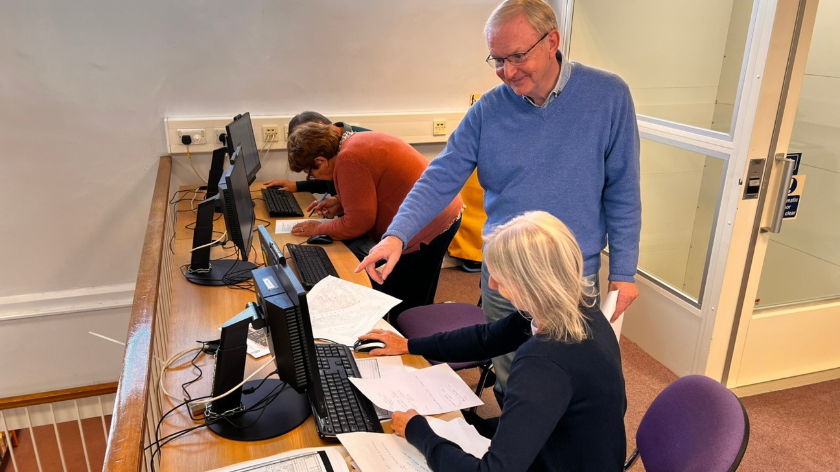 Libraries host free events to help people feel confident online
 Giggleswick School announces new partnership with Ilkley prep school
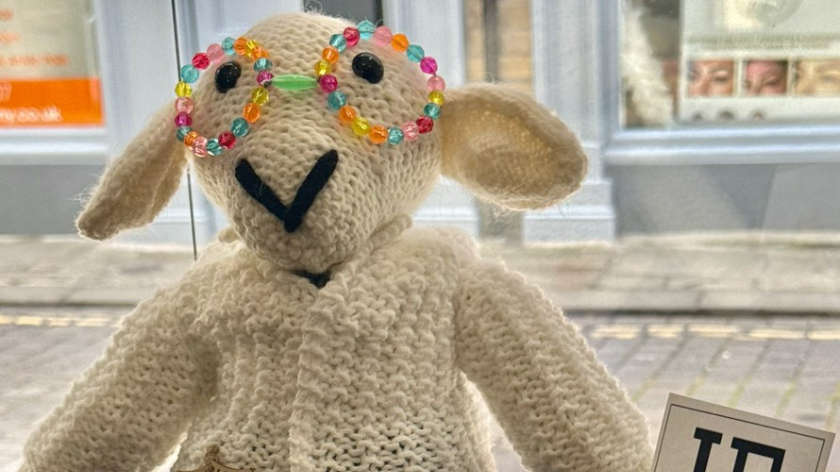 Skipton’s Woolly Sheep Trail shortlisted for national award
 Keighley man jailed for 13 years for rape and domestic abuse
 More than 2,200 new homes proposed for Keighley under Local Plan
 Yorkshire households could see £27 cut to water bills
 North Yorkshire Police win national award for farm crime prevention project